
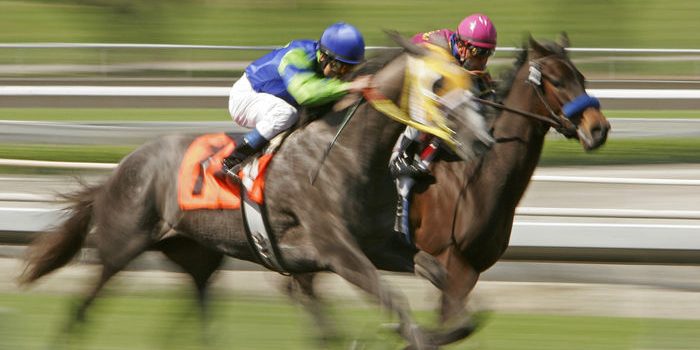
A racehorse is one of those creatures that seems fast even when it’s still. The stance, the tone of their muscles, the way they hold themselves — everything about them cries athlete. But one factor that rarely gets discussed much outside of the racing world is weight, and more particularly, how much a racehorse weighs — and why that number is so important once the gates swing open.
As with human athletes, weight can be a double-edged sword. Too much and you lose speed. Too little and strength is compromised. In horse racing, that balance is part science, part history, and a small quantity of instinct.
What Is the Average Racehorse Weight?

Most people assume racehorses are enormous, but the average weight of a racehorse is actually more modest than expected. A typical Thoroughbred — the breed you see most often on flat tracks — usually falls somewhere between 450 and 550 kilograms. That range isn’t accidental. It’s the result of decades of breeding aimed at producing animals that can maintain speed over distance without breaking down.
Are Certain Horse Breeds Naturally Lighter for Racing?
Compared to heavier working breeds, Thoroughbreds are relatively light. Compared to Arabians or some sprint-oriented horses, they’re heavier but far more powerful. Quarter Horses, for example, often weigh a bit less but are built like sprinters, designed for explosive acceleration rather than sustained pace.
What’s interesting is how sensitive performance can be to even small weight changes. Trainers pay close attention because a slightly underweight horse may look sharp but fade late. One that’s carrying extra mass might struggle to keep up early. It’s not unusual for a horse to lose several kilograms during a single race, especially in warm conditions.
How to Measure a Horse without a Scale?
Not every stable has access to a proper livestock scale, so weight is often estimated. One common approach involves measuring the horse’s girth and body length, then applying a calculation that gives a fairly reliable result. Another uses a specialized weight tape wrapped around the chest, usually just behind the elbow.
These methods aren’t perfect, but consistency matters more than precision. Trainers want to know whether a horse is trending up or down, not the exact number to the decimal.
Do Racehorses Gain Weight As They Age?
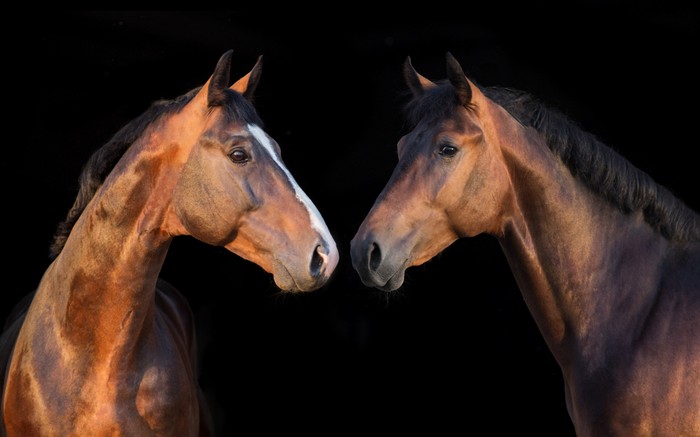
Some horses are simply built lighter. Others carry more natural bulk. Breed plays a role, but so does age. Foals come into the world weighing around 45 to 55 kilograms, depending on lineage. Growth in the first years is uneven. Anyone who’s been around young horses has seen that awkward stage where legs grow faster than muscle.
Once a horse reaches maturity, metabolism slows, and weight management becomes more deliberate. Older horses don’t necessarily get heavier, but they do require closer monitoring to stay in racing shape.
How Does Training Intensity Affect a Horse’s Weight?
Training intensity directly affects racehorse performance. Overtraining can strip muscle and leave a horse flat. Undertraining can lead to excess weight and sluggish starts. Diet, recovery time, and even temperament factor in.
Then there’s the human element. Jockey weight matters. Track conditions matter. A wet surface changes how weight is distributed through each stride. This is why handicapping exists in the first place.
Why Weight Matters on Race Day

Handicapping is built around the idea that weight influences speed. Racing authorities regulate how much a horse can carry, typically capping it at around 20% of the horse’s own body weight, including jockey and equipment. The goal isn’t fairness so much as competitiveness.
That’s not to say lighter is always better. It means weight is one factor in a lengthy list that includes pace, positioning, stamina, and decision-making in the saddle.
For bettors, going behind the scenes like this helps explain why odds change and why some horses are favorites at certain conditions. If you’re a fan of horse race betting, then a service like the BetUS racebook can help tie everything together: races, odds, and picks.
In racing, margins are everything. The speed of a racehorse isn’t simply about raw power. It’s all about balance, conditioning, and carrying the right amount of weight at the right time. That’s why this unappreciated detail continues to shape results, regardless of the fact that they go unnoticed by most everyone in the stands.
