
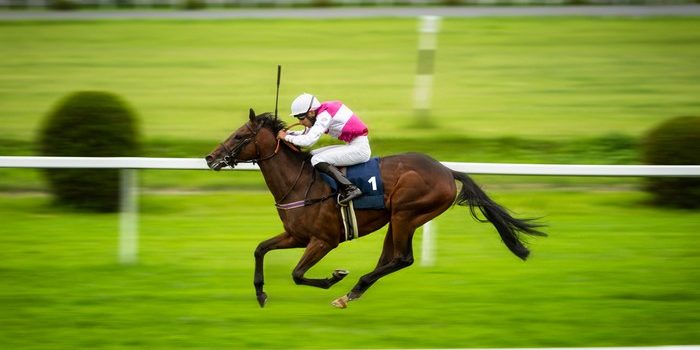
Understanding whether the jockey or the horse has a greater impact on race outcomes is one of the most debated questions in racing betting. With deeper data and evolving betting markets the answer is more nuanced than ever.
Horse racing bettors are constantly searching for reliable indicators that can improve decision making. Two of the most commonly used signals are horse form and jockey form. Horse form traditionally sits at the heart of racing analysis but recent seasons have shown that rider performance can significantly influence outcomes in certain contexts. As betting audiences expand across different wagering products and platforms such as kingjohnnie.me, the demand for sharper analytical insight has only grown. Modern betting markets increasingly price in both elements which raises an important question for bettors looking for value. Which one really matters more and when should each be prioritised.
Why Horse Form Remains the Foundation of Betting Analysis
Horse form continues to be the primary factor in most betting strategies because it reflects the animal’s current physical condition suitability to distance and ability to handle specific race conditions. Recent finishing positions sectional times and performance against similar competition give bettors a tangible baseline to work from.
A horse in consistent form often shows repeatable traits such as strong finishes reliable pace control or proven stamina. These traits tend to translate well across races assuming conditions remain comparable. Trainers also play a role in maintaining form cycles by targeting races that suit the horse’s strengths which further reinforces the reliability of form based analysis.
Horse form is especially important in handicaps and lower grade races where the skill gap between jockeys is smaller. In these races the physical ability of the horse often outweighs tactical nuance. A well handicapped horse in peak condition can win even with a competent but unremarkable rider.
Another key reason horse form dominates is data availability. Form lines speed ratings and historical results are widely accessible and heavily analysed by bookmakers. This makes horse form efficient in pricing but also essential for risk management. Ignoring poor or declining form remains one of the most common reasons bettors back horses that never realistically contend.
When Jockey Form Can Tip the Balance
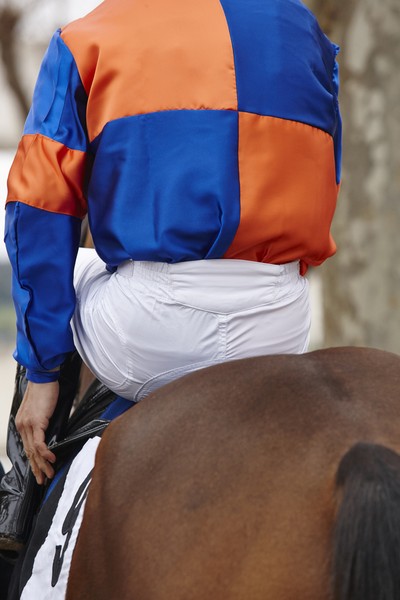 Jockey form becomes more influential in races where tactics positioning and timing are decisive. High class races competitive fields and tracks that reward race awareness all increase the importance of rider skill. A jockey riding with confidence often makes sharper decisions under pressure which can be the difference between winning and finishing second.
Hot jockeys often benefit from momentum. Confidence leads to assertive rides better judgement in tight finishes and improved communication with trainers. Bettors sometimes underestimate this effect particularly when a jockey has recently returned from injury or begun a strong run after a quiet period.
Jockey form is also critical in certain race types such as sprints and tactical middle distance contests. In these scenarios early positioning and pace judgement matter greatly. A skilled jockey can save ground avoid traffic and extract maximum effort from the horse even when overall form figures appear evenly matched.
Track familiarity adds another layer of importance. Jockeys who regularly ride a specific course understand subtle elements such as turning angles surface quirks and common pace biases. This knowledge often allows them to anticipate race developments rather than react late which can significantly influence outcomes.
How Bettors Can Balance Both Factors for Better Value

The most effective betting strategies rarely choose between jockey form and horse form in isolation. Instead they assess how the two interact within the specific race context. A strong horse paired with a top jockey is usually priced accordingly which limits betting value. Opportunities more often arise when one factor is strong while the other is underestimated by the market.
For example a horse showing signs of returning to form after a below par run may be overlooked. If that horse is partnered with a jockey currently riding winners at a high strike rate it can signal increased intent and a more positive ride. On the other hand a short priced favourite ridden by a jockey in poor recent form may be vulnerable particularly in races where decision making is crucial.
Bettors should also pay attention to changes in jockey bookings. A significant upgrade in rider often reflects stable confidence and specific race targeting. These switches can reveal more than the form book alone and are frequently one of the clearest indicators of market mispricing.
Horse form should guide race selection while jockey form helps refine confidence and timing. Combining both allows bettors to move beyond surface level statistics and gain a clearer understanding of why certain horses outperform expectations while others fall short.
