
British Flat racing is built around five races for three-year-olds, known collectively as the Classics. They have been run for more than two centuries, and a quick look at the horse racing results from any recent season shows how many of the sport’s biggest names made their reputations in them. Winning one changes a horse’s value overnight. Winning two or three in the same year puts it in the history books.
Where the Idea Came From
The oldest of the five is the St Leger at Doncaster, first run in 1776 and named after Anthony St Leger, an army officer and local landowner. The Oaks at Epsom followed in 1779 and the Derby in 1780, both founded by the 12th Earl of Derby and his circle. The Oaks took its name from the Earl’s house near Epsom.
Newmarket added the 2000 Guineas in 1809 and the 1000 Guineas in 1814, named after the original prize money. Together the five became the standard test of a three-year-old.
The Two Guineas at Newmarket
Both Guineas are run over a straight mile on the Rowley Mile course in late April or early May. The 2000 Guineas is open to colts and fillies, although fillies rarely take it on, while the 1000 Guineas is for fillies only.
These are the first Classics of the year and often the first serious test for horses that were top two-year-olds. A mile at Newmarket in spring rewards speed and the ability to quicken, so plenty of Guineas winners never go further in trip.
The Derby and the Oaks at Epsom
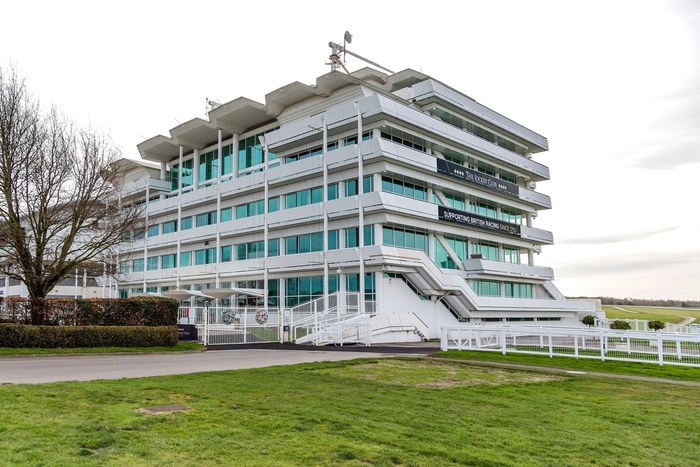
The Derby is the most famous Flat race in the world, run over a mile and a half at Epsom in early June. The track is unusual. It climbs early, bends left down the steep hill towards Tattenham Corner and finishes with a camber that tips tired horses towards the inside rail. Balance and the ability to handle the gradients matter as much as raw ability.
The Oaks is the fillies’ equivalent over the same course and distance, run on the same weekend. Lester Piggott won the Derby nine times, a record that is very unlikely to be beaten.
The St Leger at Doncaster
The St Leger closes the Classic season in September and is the longest of the five, at just over a mile and six and a half furlongs. It asks a different question from the Guineas, which is whether a horse can stay. Some top trainers now steer their best three-year-olds away from it towards shorter races with bigger stud value, but it remains a key target for staying types.
The Triple Crown
A colt that wins the 2000 Guineas, the Derby and the St Leger in the same year wins the Triple Crown. Only 15 horses have done it, starting with West Australian in 1853. The last was Nijinsky in 1970, trained in Ireland by Vincent O’Brien and ridden by Lester Piggott.
Camelot came closest in modern times. He won the Guineas and the Derby for Aidan O’Brien in 2012 but was beaten by Encke at Doncaster. Sea The Stars won the Guineas and the Derby in 2009 and was never asked to try.
Fillies have their own version, made up of the 1000 Guineas, the Oaks and the St Leger. Oh So Sharp, trained by Henry Cecil, was the last to complete it, in 1985.
Why the Classics Still Matter
Geldings cannot run in British Classics, because the races were designed to identify the best breeding prospects. That purpose has not changed. A Classic winner’s future at stud is often worth far more than any prize money, which is why owners and trainers plan whole seasons around these five races.
They also give each year of racing its shape. The Guineas open the Flat season’s big-race calendar, Epsom is its centrepiece and Doncaster brings it towards a close. For anyone following the sport, the Classics are the fixed points everything else is measured from.
Betting is for over-18s only. Please gamble responsibly.
