
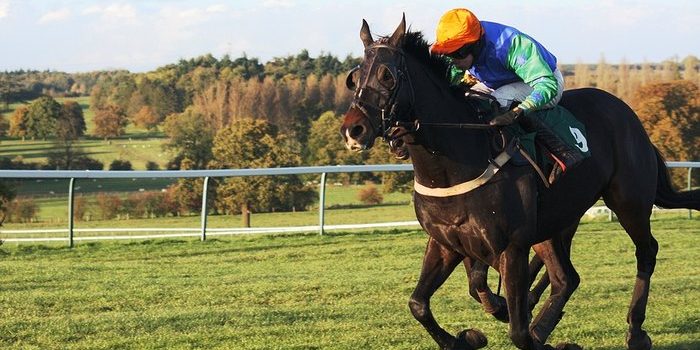
For many National Hunt enthusiasts, the sight of the sweeping, uphill finish at Towcester Racecourse is etched into memory. It was once famously described as the toughest test in the country, a place where a horse needed “two hearts” to win. Since professional horse racing ceased at the Northamptonshire venue in 2018, there has been a palpable void in the Midlands racing calendar.
However, recent developments have sent a wave of optimism through the industry. With reports emerging that racehorses are set to return to the hallowed turf under new management, the Towcester Renaissance is officially underway. But this isn’t just a story about nostalgia; it is a fascinating case study in how a modern sporting venue can successfully bridge the gap between two of Britain’s most historic pastimes: horse racing and greyhound racing.
The Road Back to the Turf
The news that Orchestrate – the management team now at the helm of Towcester – is working toward the return of equine action has been met with widespread acclaim. While the initial return is focused on schooling days and premium Point-to-Point fixtures, the long-term ambition is clear: to see professional National Hunt racing return to one of the most picturesque tracks in the UK.
For the local economy and the racing community, the absence of horses at Towcester felt like a loss of identity. The track was a staple for many legendary trainers, including Kim Bailey and the late Great Milton-based Henrietta Knight, who often used the gruelling finish to test the stamina of future Cheltenham contenders.
The strategy to reintroduce horses via Point-to-Point racing is a masterstroke. It allows the turf to be tested, the infrastructure to be refined, and the local fan base to re-engage with the sport in a grassroots environment. It proves that the venue is not just a greyhound stadium, but a multi-purpose sporting hub.
The Greyhound Success Story
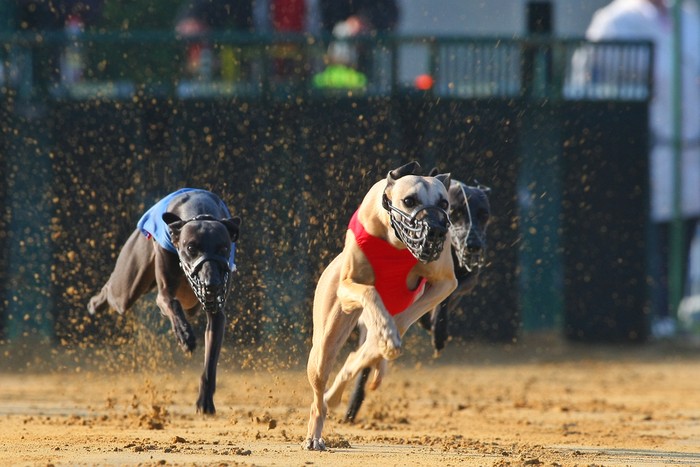
While the return of horses is the new story, the current story is Towcester’s dominance in the world of greyhound racing. In the years since horse racing took a back seat, the venue has undergone a transformation that has seen it become arguably the premier greyhound racing destination in Europe.
In 2021, Towcester became the permanent home of the English Greyhound Derby, the richest and most prestigious race in the sport. The venue’s ability to host such a high-stakes event, with its six-figure winner’s purse, has elevated the track’s status globally.
What makes Towcester unique is its sheer scale. Unlike many urban greyhound tracks, Towcester’s circuit is vast, providing a fair and galloping test that mirrors the big track feel of its horse racing history. For punters who have migrated from the grandstands of the Cheltenham Festival to the glass-fronted Empress Suite at Towcester, the thrill remains the same. The tactical nuances of the sport have led to a surge in interest in Towcester greyhound markets, where the quality of the field often rivals the Grade 1 quality seen on the turf.
Why the Dual-Sport Model Works
The crossover between horse racing fans and greyhound enthusiasts is deeper than many realise. Both sports are built on a foundation of pedigree, training regimes, and the unique thrill of “the finish.” According to the Greyhound Board of Great Britain (GBGB), the commitment to hosting the Derby at Towcester through 2026 ensures a level of stability and prestige that benefits the entire racing ecosystem.
At a time when many sporting venues are struggling with overheads, Towcester’s model offers a blueprint for survival. By utilising the interior of the track for world-class greyhound racing and the outer turf for equine pursuits, the venue maximises its utility year-round.
For the horse racing fan, a visit to Towcester for a Point-to-Point meeting in the afternoon followed by a high-octane greyhound card in the evening represents a perfect double. It’s an immersion in racing culture that few other venues in the world can offer. This synergy is exactly what the industry needs to attract a younger, more diverse demographic of sports fans who appreciate the athleticism of the animals.
When Could Horse Racing Return To Towcester?
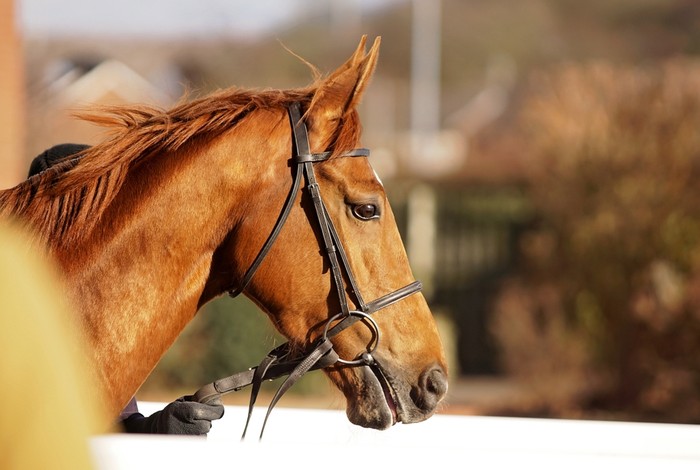
The timeline for the return of horses is ambitious but measured. The management team has been transparent about the need for the turf to be in peak condition before full-scale racing returns. This aligns with a broader trend in the sport; the British Horseracing Authority (BHA) has recently emphasised a 2026 fixture list focused on high-quality, engaging racing that appeals to fans and owners alike.
Emphasising welfare and a passion for all forms of racing is reflected in Towcester’s current trajectory. There is a shared understanding that whether a competitor has four legs and a saddle or four legs and a muzzle, the integrity of the sport and the welfare of the animal are paramount.
As we look toward the 2026 season, the prospect of seeing the green and gold colours of a leading owner charging up that famous Towcester hill once again is a thrilling thought. It isn’t just a win for Northamptonshire; it’s a win for the sport of racing as a whole.
Towcester is proving that you don’t have to choose between tradition and evolution. You can be the home of the English Greyhound Derby while still honouring the heritage of National Hunt racing.
For the punter, the return of horses adds another layer of complexity and excitement to a venue that is already a staple of the betting calendar. As the turf is prepared and the stalls are readied, all eyes will be on this unique corner of the Midlands. Whether you are analysing the form for a staying chaser or looking for value in the latest greyhound heats, Towcester is once again the place to be.
