
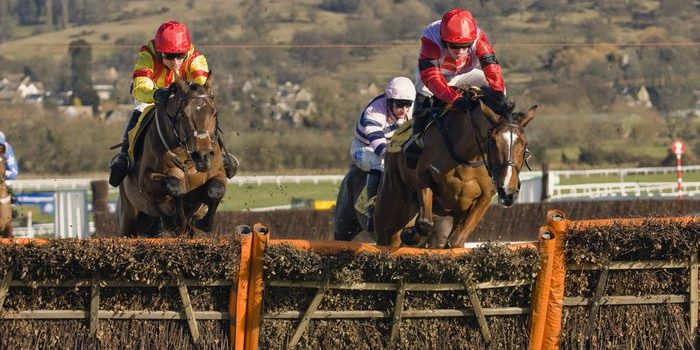
Fifty years ago the Cheltenham Festival was a serious jumps meeting that mattered most to people who followed the sport all winter. It now fills four days in March, draws a bigger crowd than almost any stadium in Britain holds, and reaches an audience who will bet on a horse once a year and choose that week to do it. The growth has been gradual rather than sudden, and it shows up in every measure available.
Crowds That Keep Outgrowing the Racecourse
In the mid-1970s the Festival ran over three days, with six races an afternoon and a Gold Cup day crowd of roughly 30,000. Attendance across the week now passes 200,000, with more than 60,000 in on the Friday alone. The fourth day, added in 2005, pushed the meeting beyond that 200,000 mark for the first time. A £45m redevelopment of the main enclosure, completed in 2016, was built for those numbers, and capacity has since been trimmed deliberately to keep the place comfortable rather than merely full.
A Card That Has Deepened All the Way Through
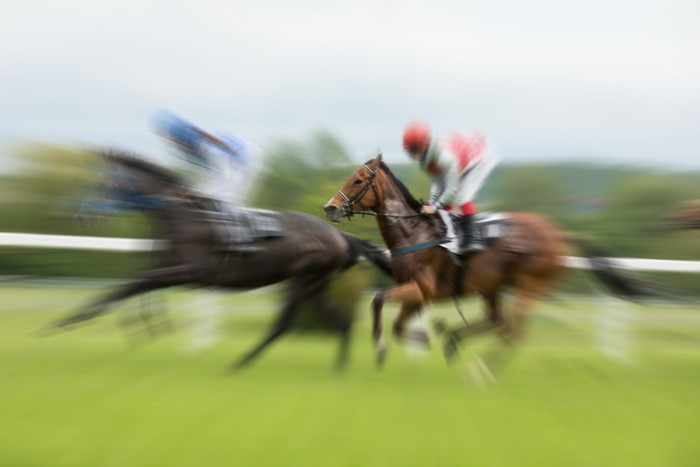
18 races have become 27 or 28, depending on the year, more than a dozen of them Grade 1. Prize money for the week runs past £5m, with the Gold Cup alone worth more than £600,000 to the winner, figures unrecognisable from the 1970s. The Irish challenge explains much of the rise in standard. Since the Prestbury Cup formalised the contest in 2014, Irish-trained horses have taken the majority of races in several years, Willie Mullins has passed 100 Festival winners, and Ruby Walsh retired with 59.
Why Prestbury Park Feels Different
The course sits in a natural amphitheatre under Cleeve Hill, so a spectator can follow a three-mile race almost from start to finish without moving. The finish is the other half of it. The run-in climbs for the last 350 yards, and that hill undoes horses that looked comfortable two fences earlier. Nothing gets home at Cheltenham on class alone. The roar that greets the opening race on the Tuesday is the loudest noise in British racing, and it is aimed at the horses rather than any result.
The Four Races the Week is Built Around
Each day is anchored by a championship contest. The Champion Hurdle over two miles opens the week, followed by the Queen Mother Champion Chase, the fastest two miles of jumping anywhere. The Stayers’ Hurdle settles the three-mile hurdling division, and the Gold Cup, at three miles and two and a half furlongs, decides which chaser is the best in training. Around them sit the novice championships that identify next season’s stars, plus handicaps of a depth found nowhere else in the calendar.
The Horses That Built the Reputation
Dawn Run remains the only horse to have won both the Champion Hurdle and the Gold Cup, a double completed in 1986. Desert Orchid slogged through heavy ground for his Gold Cup in 1989. Best Mate won three in a row, then Kauto Star and Denman traded the race in 2008 and 2009, with Kauto Star becoming the first horse to regain it. Big Buck’s took four Stayers’ Hurdles, Quevega six Mares’ Hurdles. Rachael Blackmore won the 2021 Champion Hurdle on Honeysuckle and the Gold Cup a year later.
50 Years On
The Festival is now one of the biggest betting weeks of the year in Britain and Ireland, with horse racing bets over the four days running into hundreds of millions of pounds. That interest follows the racing rather than driving it.
What has actually grown is the standard of the fields, the number of races worth watching, and the number of people who want to be there in person. A meeting that once belonged to the jumps community has become a national sporting occasion, and the reason is still what happens on the run to the line.
